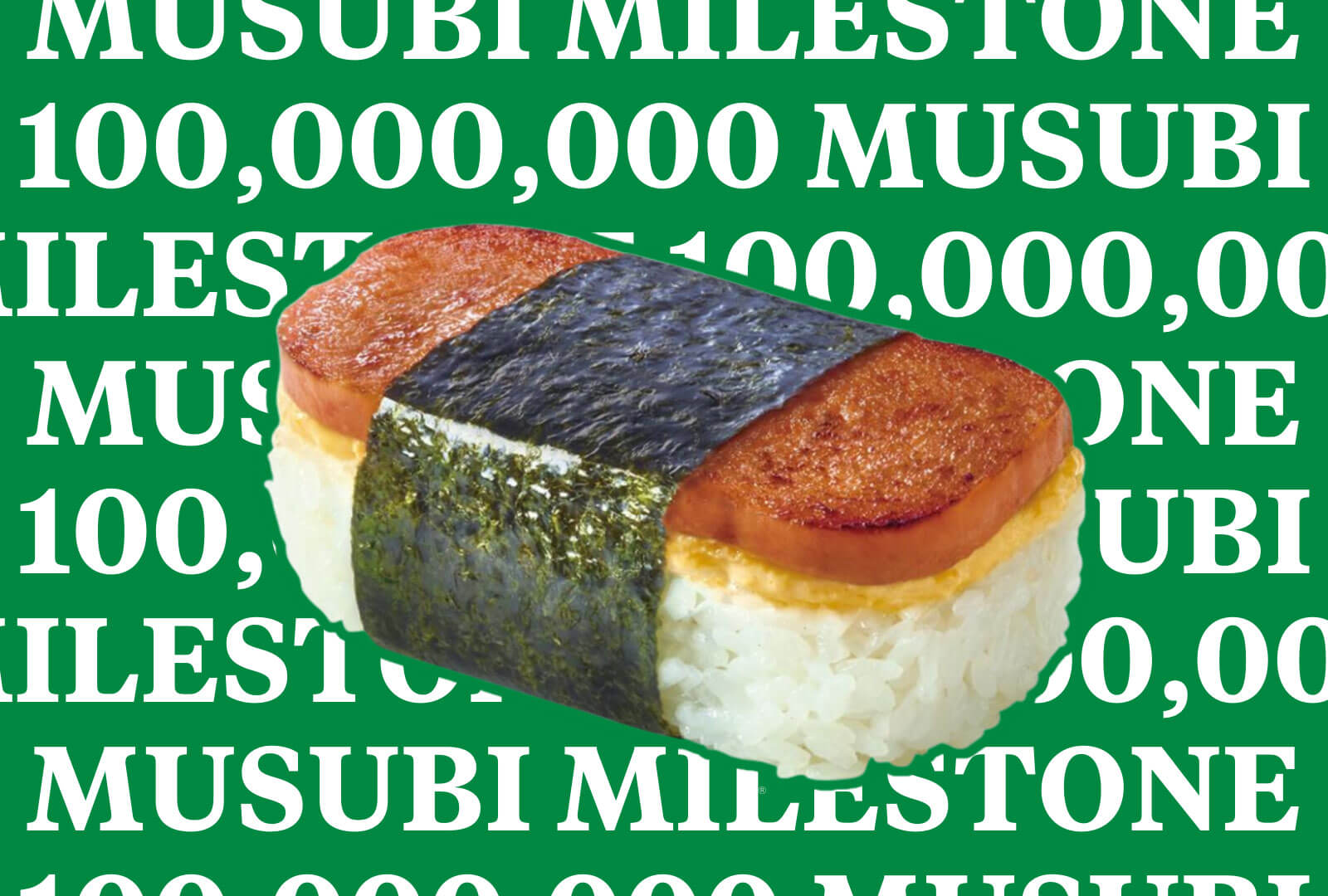

100 million SPAM® musubi sold at FamilyMart in Japan
Since its introduction in FamilyMart stores in 2021, SPAM® musubi has become a sensation in Japan. What started as a limited-time offer in a few FamilyMart stores in Tokyo has grown into a nationwide favorite; it’s now available in more than 16,000 stores. This year, the team hit an incredible milestone: 100 million units of SPAM® musubi have sold at FamilyMart locations.
The key is to understand local consumers, work together with the commissary or convenience store, and develop a locally relevant product. International inspiration is great, but local adaptation is key!
Bruno Alves, brand manager for Hormel Foods International
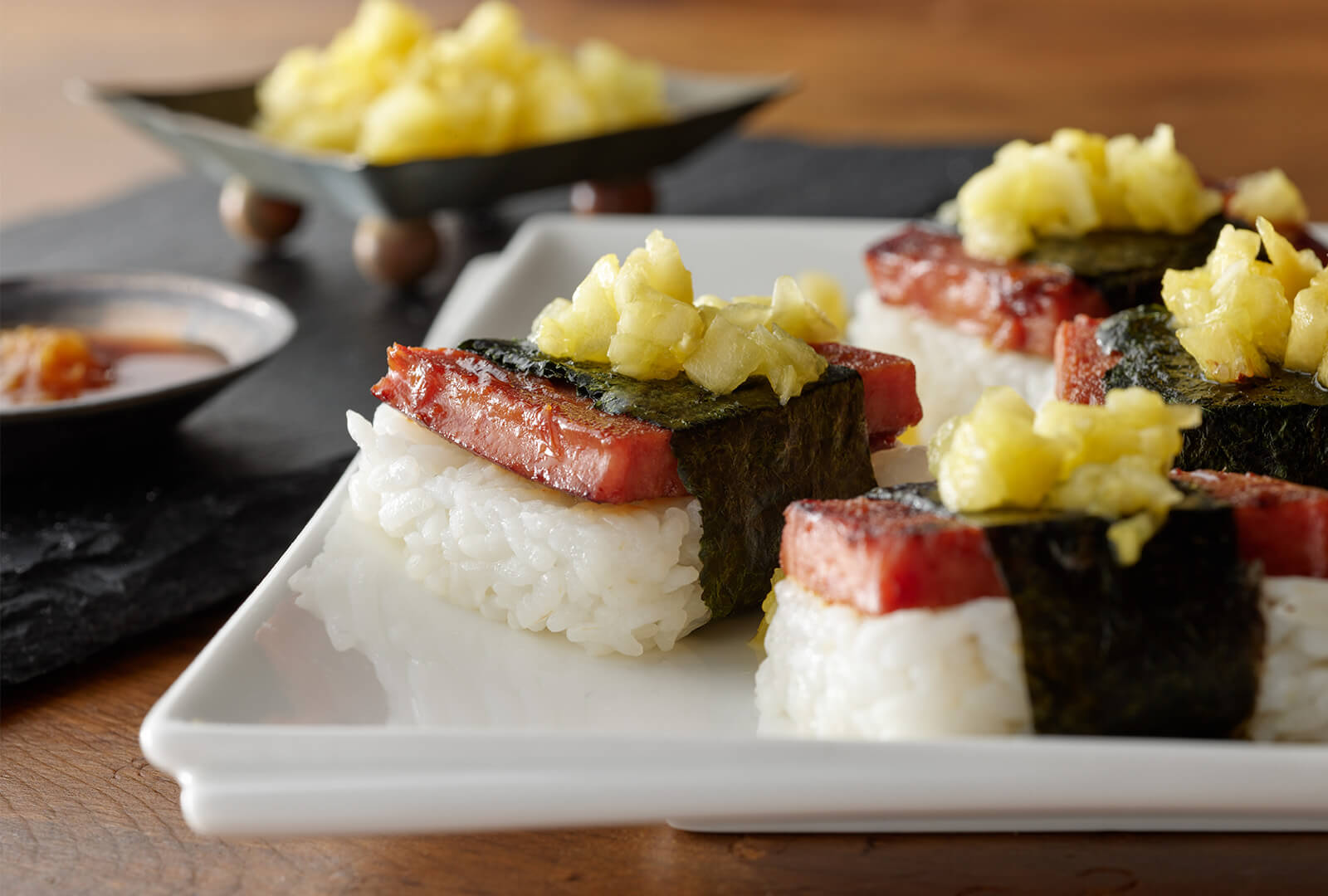
To celebrate this milestone, we sat down with Bruno Alves, brand manager for Hormel Foods International, to learn what this means for the SPAM® brand and how it reflects our global strategy.
Can you put into perspective 100 million units of SPAM® musubi?
One hundred million units of SPAM® musubi is almost enough to put one in the hands of every person in Japan, which has a population of approximately 123 million. Put another way, 100 million units of SPAM® musubi requires 11.1 million cans of SPAM® classic or 8.3 million pounds. It’s a huge milestone for us.
How has this program with FamilyMart grown?
It started as a limited-time offer in a few FamilyMart stores in the Tokyo area. Results were outstanding, and it didn’t take long for SPAM® musubi to become available in more than 16,000 FamilyMart stores across Japan!
Were there any innovations or process improvements that made scaling to this milestone possible?
The launch focused on the Okinawan SPAM® musubi style, which is more like a sandwich. New variants were constantly introduced, including egg and spicy mayo. In 2024, SPAM® musubi was the hero product of the first Hawaiian festival inside FamilyMart, marking the transition from the Okinawan-style musubi to the Hawaiian style, which is the one on shelves across Japan today. Our operations team and production professionals at Progressive Processing were exceptional in meeting various supply chain demands for this important customer.
How do you advertise these items to consumers in Japan?
In 2025, SPAM® musubi was once again the hero item of FamilyMart’s Hawaiian fair. To support the fair, FamilyMart had a full 360 media plan that included broadcast TV and digital, and featured SPAM® musubi. On our end, we supported FamilyMart Vision, which consists of large screens behind FamilyMart counters that broadcast sizzling images and the sound of SPAM® classic to whet appetites and drive purchases in stores.
What is the significance of SPAM® musubi in Japan?
The success of SPAM® musubi in Japan is evidence that the SPAM® brand is a central player in global food culture! With inspiration from Okinawa and Hawaii, SPAM® musubi is now part of the Japanese omusubi tradition.
Do we have any other FamilyMart exclusives?
We leveraged the success of SPAM® musubi at FamilyMart and launched limited-time items such as SPAM® chips with Calbee and SPAM® burgers.
What cultural or consumer trends helped make SPAM® musubi so popular?
This is a clear example of edible experiences — global gateways and redefining value — convenience without compromise!
What lessons can we take from this milestone as we look to grow the SPAM® brand in other international markets?
We rolled out the model in the Philippines and China with great success. The key is to understand local consumers, work together with the commissary or convenience store, and develop a locally relevant product. International inspiration is great, but local adaptation is key!
Stories
Beyond the Blue Can
From sushi rolls to rice bowls, the makers of the SPAM® brand are introducing modern twists to a worldwide staple